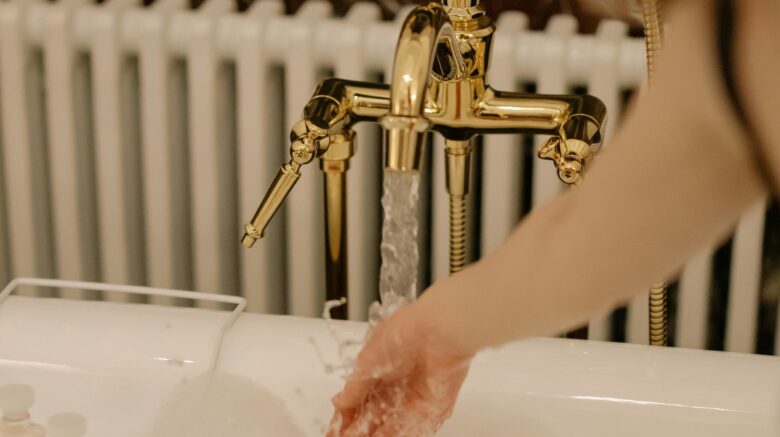
Cleaning plumbing fixtures at home can sometimes feel like a challenging task, especially when you want to avoid harsh chemicals. Salt, a natural and widely available substance, is often used as a cleaning agent for fixtures like faucets, pipes, and sinks due to its abrasive and antibacterial properties. However, using salt improperly can cause damage or reduce the effectiveness of your cleaning efforts. In this post, we’ll explore common mistakes people make when using salt to clean plumbing fixtures and share tips on what to avoid to keep your fixtures gleaming without harm.
1. Using Salt Abrasively on Delicate Surfaces
One common mistake is scrubbing too hard with salt on delicate fixtures, such as those made of brass, chrome, or brushed finishes. Salt’s crystalline texture can scratch these surfaces if used with excessive force or without a protective layer. Instead, mix salt with a gentle liquid like lemon juice or vinegar to create a mild abrasive paste. Apply this paste gently with a soft cloth or sponge instead of scrubbing directly with granulated salt.
2. Ignoring the Type of Plumbing Fixture
Not all plumbing fixtures respond well to salt-based cleaning. For instance, salt can accelerate corrosion on iron or galvanized pipes if not thoroughly rinsed afterward. It’s crucial to identify the material of your fixtures before proceeding. For stainless steel or ceramic sinks and faucets, salt cleaning tends to be safer, but always carry out a patch test on an inconspicuous area first.
3. Failing to Rinse Fixtures Thoroughly
After cleaning with salt or salt-based paste, not rinsing the fixtures properly can leave behind salt residues. These residues might cause discoloration or buildup that attracts more dirt over time. Always use warm water to rinse the plumbing fixtures thoroughly, and consider drying them with a microfiber cloth to prevent water spots and salt crystallization.
4. Combining Salt with Harsh Chemicals
Another mistake is mixing salt with strong acids or commercial cleaning agents without understanding the chemical reactions. Salt combined with bleach or ammonia can release harmful fumes, and mixing with strong acids might damage your plumbing finishes. Stick to natural and mild household acids like lemon juice or white vinegar when combining with salt for cleaning purposes.
5. Overusing Salt as the Primary Cleaning Agent
While salt can be effective for scrubbing and deodorizing, relying on it exclusively might not remove all types of grime and mineral deposits. Use salt as a supplementary cleaner alongside other natural methods, like baking soda or mild detergents, for thorough maintenance without risking fixture damage.
Conclusion
Using salt to clean plumbing fixtures can be economical and environmentally friendly if done correctly. Avoid abrasive scrubbing, know your fixture materials, rinse thoroughly, and never mix salt with harsh chemicals. By steering clear of these common mistakes, you can maintain the shine and durability of your plumbing fixtures safely and effectively.



Great tips! I used to scrub my brass faucet with salt and noticed tiny scratches afterward. Switching to a paste improved the results a lot.
I never realized not rinsing could cause damage. Thanks for the reminder—I’ll make sure to rinse properly next time.
I’ve always mixed salt and vinegar to clean my stainless steel sink. Glad to hear that’s a safe method!
Important advice about not mixing salt with harsh chemicals. Safety first!